
Why Luxury Retail Location Strategy Fails in India
Global playbooks assume premium locations drive premium consumption.
In India, consumer behavior tells a different story.
-Mani M Nagasubramaniam-
April 2026 • 5 min read
The Importance of Location in Luxury Retail
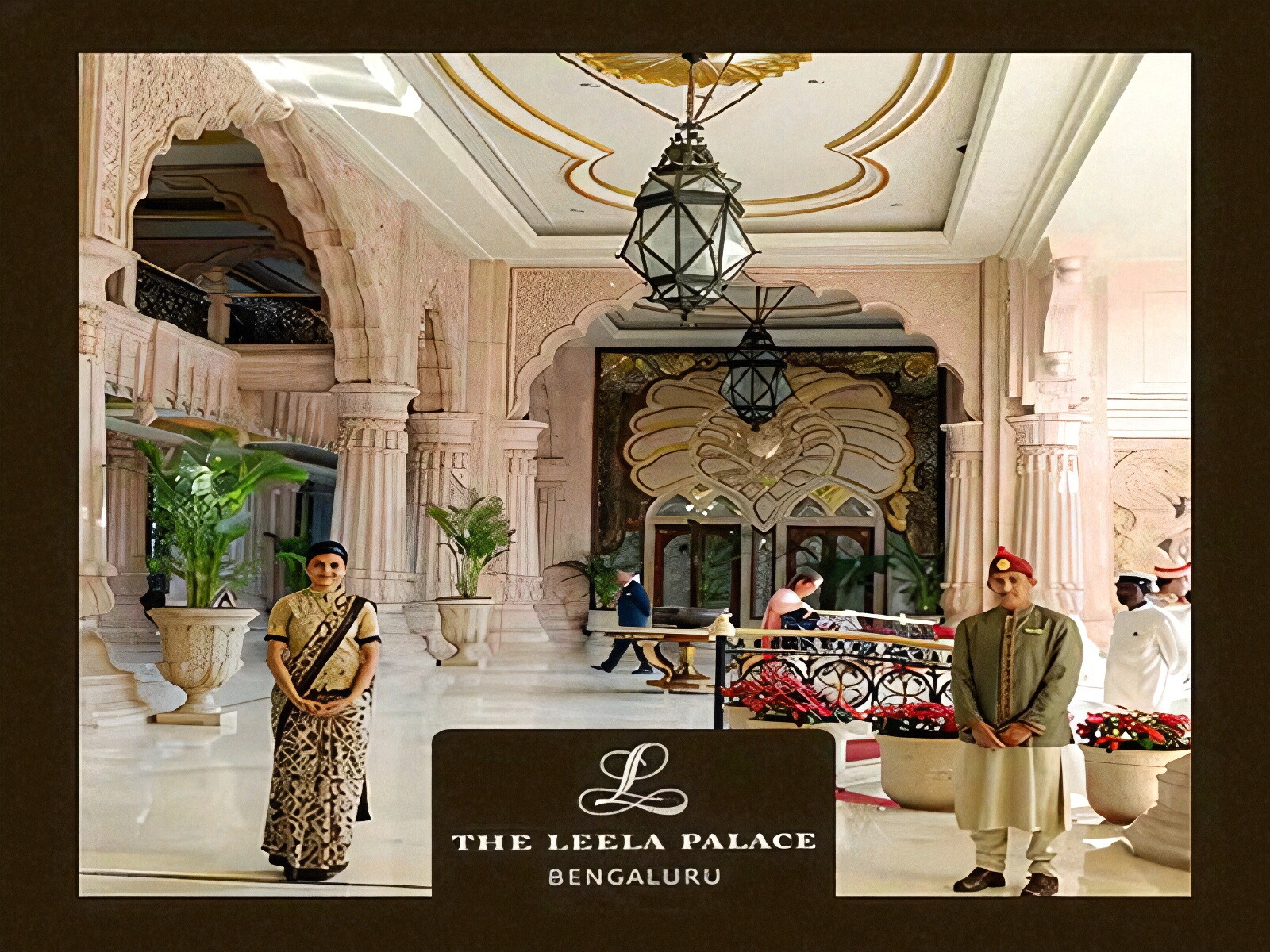
During a recent visit to a luxury hotel, I noticed an announcement about a new high-end jewellery showroom operating inside the property. The store was impeccable—elegant displays, fine craftsmanship, and a setting aligned with global luxury standards. Yet, the experience raised a larger strategic question:
The Location Paradox in Luxury Retail
In mature Western markets, luxury retail thrives in predictable environments—premium shopping districts, luxury hotels, and curated retail enclaves. The underlying assumption is simple: premium context drives premium consumption.

A high-end boutique inside a luxury hotel failed to sustain operations—despite the right audience environment.

Hotel-based retail formats saw limited long-term scalability in India.

Retail attached to fuel stations struggled due to mismatch in consumer intent.
However, in many emerging and diverse markets, consumer behavior often defies this logic. Several examples illustrate this disconnect:
- Luxury boutiques located within five-star hotels have struggled to sustain foot traffic.
- Convenience store formats designed with global inputs often fail when local consumer habits don’t align (e.g., combining fuel stops with retail purchases).
- Even established global brands experimenting with hotel-based retail formats have seen mixed long-term outcomes.
These are not isolated failures. They point to a deeper structural issue:
“Luxury retail success is not just about location, but also about customer behavioral alignment.”
Understanding Consumer Context
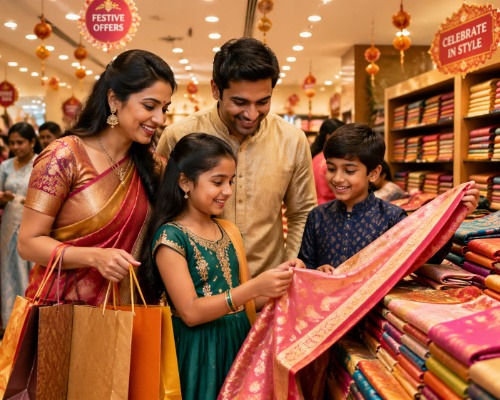
Consumers in many markets engage with retail differently than in traditional Western luxury hubs. Shopping is rarely incidental—it is often intent-driven, occasion-based, and socially influenced.
A luxury hotel, while aspirational, is not necessarily perceived as a retail destination. Guests may visit for hospitality, events, or dining—but not with the mindset to browse or purchase high-value products.
This creates a fundamental mismatch:
- High visibility, low conversion
“Right environment. Wrong intent.”
The Cultural Layer: Subtle but Decisive
Rethinking Luxury Retail Strategy for India
- Beyond location, cultural nuance plays a critical role in shaping perception.
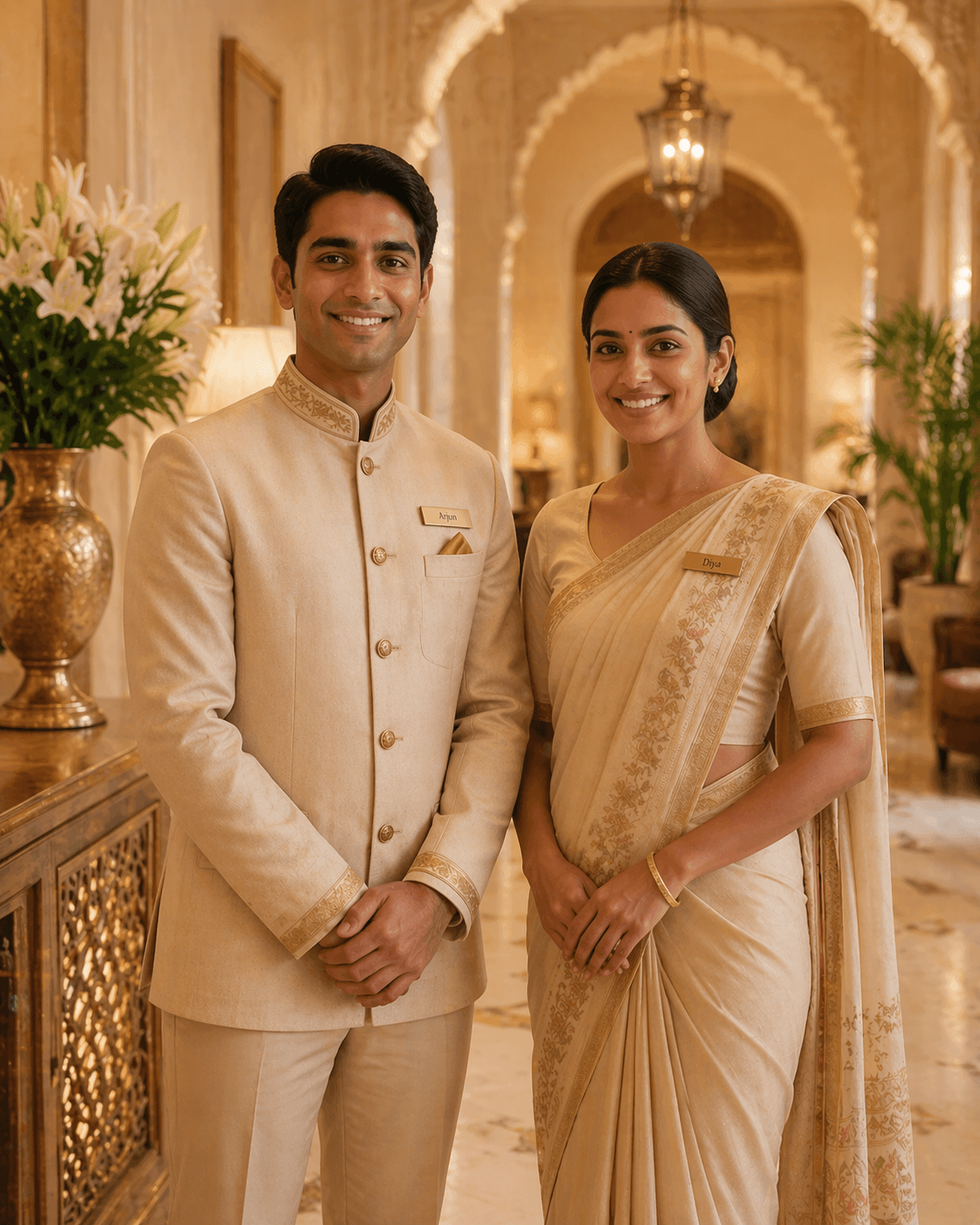
- Staff presentation, store design, and service style must resonate with local expectations.
- While global consistency is important, a purely Westernized identity can sometimes feel distant or less relatable.
- Small cues like uniforms, greetings, even the rhythm of service can determine whether a brand feels authentic or foreign.
Rethinking Luxury Retail Strategy
The implication for brands is clear: replicating global playbooks without localization is a high-risk strategy. To succeed, luxury retail must move beyond conventional frameworks and consider:
- Context over convention: Not all premium environments drive purchase behavior.
- Intent over exposure: Presence does not guarantee engagement.
- Cultural fluency over standardization: Local relevance enhances brand connection.
Global case studies show that luxury retail location strategies often fail when brands replicate Western models without adapting to local consumer behavior. China, the Middle East, and Latin America each highlight unique pitfalls that reinforce the need for cultural fluency and contextual alignment.
Case Studies of Location Strategy Failures
China
- Challenge: Luxury boutiques in hotel or mall settings struggled because Chinese consumers often view shopping as a planned, social activity rather than incidental.
- Outcome: Bain & Company reports that China’s luxury market saw an 18–20% decline in 2024, largely due to consumers preferring overseas purchases once travel resumed, undermining domestic hotel/mall-based formats.
- Lesson: Presence in premium environments does not guarantee engagement; intent-driven shopping dominates.
Middle East
- Challenge: Heavy reliance on airport duty-free and luxury malls (Dubai Mall, Mall of the Emirates) left brands vulnerable to geopolitical instability.
- Outcome: In 2026, conflicts forced closures of flagship stores for Gucci, Louis Vuitton, Hermès, Cartier, Prada, among others, across Gulf hubs. Retail activity slowed dramatically despite prime locations.
- Lesson: Even the most prestigious retail addresses can fail when external factors (conflict, travel disruption) override location advantages.
Latin America
- Challenge: Economic volatility and inflation eroded consumer confidence, making luxury purchases less frequent despite strong brand presence in Mexico City, São Paulo, and Buenos Aires.
- Outcome: After a two-year boom, Latin America’s luxury sales dropped sharply in 2023–24, with Brazil particularly affected by inflation and slowing GDP growth.
- Lesson: Macroeconomic context can neutralize the appeal of premium retail locations; affordability and stability matter as much as prestige.
Indian subcontinent
- Challenge: The consumer cognizance perceives luxury as independent of their social status or wealth because they choose luxury for others! Indians are selectively extravagant; a peculiar trait.
- Outcome: The economy is growing in a grand scale. The luxury brands ought to sustain their integrity of luxe without diluting to suit the market, which is a certain death.
- Lesson: People buy dreams, desires and perceptions –primarily others’ and theirs.. Pleasure has limits, but desire never ends. Power, prestige and perceptions matter most.
Strategic Takeaways for Global Luxury Retail
- Context over convention: Premium environments don’t always drive purchases.
- Intent over exposure: Visibility must align with consumer shopping behavior.
- Cultural fluency: Staff presentation, service style, and brand identity must resonate locally.
- Resilience planning: Diversify formats to withstand external shocks (economic, political, or travel-related).
Conclusion
Pleasure has limits but desire never ends. Luxury remains one of the most promising global markets, but also one of the most complex. The opportunity lies not in blindly aping global retail formats, but in reinterpreting them through the lens of local consumer behavior in the right locations. Because luxury is not only consumed; it is experienced, contextualized, and deeply influenced by culture.
“The opportunity lies not in replicating global models, but in reinterpreting them for India.”
Let’s Build Context-Driven Retail Strategies
For collaborations or strategic discussions:
mani@rdandm.com